
Build an approval‑ready credit profile
Understand what’s driving your credit decisions, identify items that may be unfair or inaccurate, and take a structured next step toward stronger approvals and better terms.
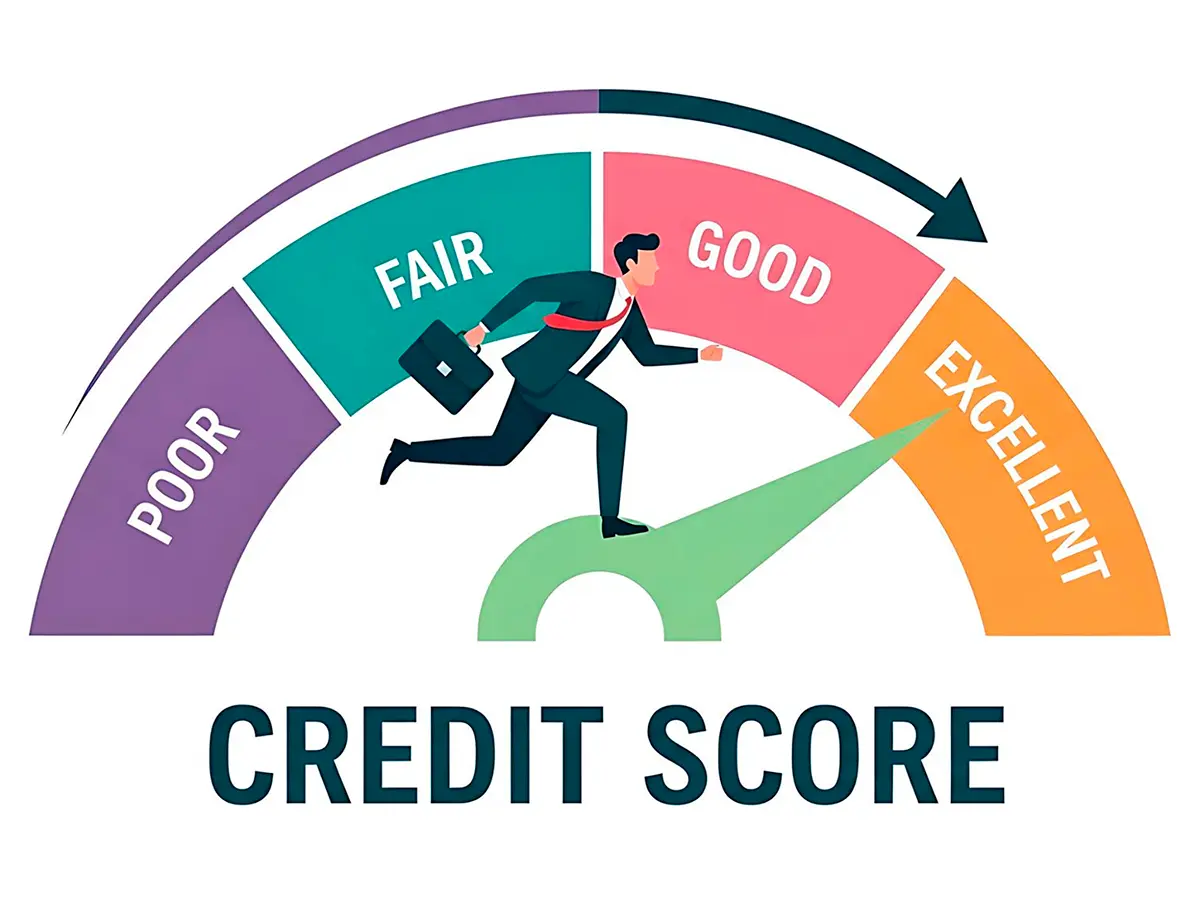
Built around established U.S. credit reporting practices and dispute procedures under the Fair Credit Reporting Act (FCRA). No unrealistic promises—just clarity, documentation, and structured credit improvement.
Unlock more options
Choose the outcome you care about. We’ll outline what improves it—and what to watch for—so you can move forward with confidence.
Your path to stronger credit
A stronger credit profile can mean better approval odds, improved loan terms, and more financial flexibility. Get a clear, no-fluff overview of what credit improvement can help you achieve — then take the next step when you're ready.
Credit decisions in the U.S. are typically influenced by payment history, utilization ratios, account age, recent inquiries, and the accuracy of reporting across major credit bureaus.
Even small inconsistencies can affect lending algorithms. A structured credit improvement approach focuses on verified data, responsible usage patterns, and consistent financial behavior.
*Results vary. This page does not guarantee outcomes.
How it works
A straightforward workflow used by reputable credit‑support programs: review, challenge what’s questionable, and build stronger habits while updates are processed.

Review your starting point
Clarify your goal and look at what’s currently affecting approvals and terms.

Identify what can be challenged
See what information is typically needed, what to expect next, and how the workflow usually looks.

Move forward
Continue to explore available options and take the next step toward better credit outcomes.
legal credit repair with steady, compliant steps
Legal credit repair prioritizes accuracy, documentation, and your rights under federal and state law. The goal isn't to erase history; it's to correct errors, resolve debts prudently, and build reliable new credit signals without stepping into gray areas that could backfire.
Know your rights, avoid shortcuts
The Fair Credit Reporting Act (FCRA) lets you dispute information that's inaccurate, incomplete, or unverifiable. Collectors must follow the Fair Debt Collection Practices Act (FDCPA), and if you hire a service, the Credit Repair Organizations Act (CROA) bars upfront fees and requires transparent contracts. Those protections matter. So does patience.
- Pull full reports from all three bureaus and review line by line.
- Dispute only what you can explain with facts, dates, or documents.
- Keep dated copies of every letter, email, and outcome.
- Avoid "tradeline renting," mass templated disputes, or identity-masking schemes; they're risky and can be unlawful.
- Be cautious with "pay for delete." It's not guaranteed, policies differ, and you must get any agreement in writing before paying.
A practical sequence
- Gather data: Obtain your reports and scores, then note negatives by type - late payments, collections, charge-offs, public records, and high utilization.
- Prioritize: Target items that are clearly wrong or time-barred, plus high-impact issues (recent lates, active collections) that weigh most on scores.
- Dispute precisely: At first, disputing everything seems faster. Let's step back: targeted, evidence-backed disputes are safer and more effective. State exactly what's wrong (wrong balance, wrong date, not your account) and attach proof. The bureau generally has 30 days to investigate.
- Resolve balances strategically: Validate debts with collectors before paying. If valid, consider settling for less - request the outcome in writing and aim for "paid" or "settled" notation. For legitimate late payments, try a goodwill adjustment after several on-time months. Don't ignore tax implications of forgiven debt.
- Build positive history: Use a secured card or credit-builder loan, keeping utilization under 30% (under 10% is even better). Authorized user status can help if the primary account is old, low-utilization, and always paid on time - otherwise skip it.
- Monitor and preserve: Set autopay for minimums, calendar due dates, and check reports quarterly. If identity theft is suspected, place a fraud alert or freeze and file the necessary affidavits.
A small real-world moment
Maya spotted a medical collection she didn't recognize. She requested validation, and the collector could not provide itemized records matching her name. The item was withdrawn, her report updated within weeks, and she used the breathing room to set up autopay on existing cards. Not dramatic, just careful and clean.
If you hire help
Verify that any company follows CROA: no upfront fees, clear disclosures, and cancel-anytime terms. Ask how they decide what to dispute, how they store your documents, and how progress is measured. Nonprofit credit counseling can be a lower-cost path if budgeting or debt management is the main need.
Safety notes and steady wins
- Never dispute accurate information; it risks revalidation and wasted time.
- Don't open new accounts just to juggle balances without a payoff plan.
- Time matters: some negatives age off in seven years; bankruptcies vary.
- Escalate responsibly - if a bureau or furnisher ignores clear evidence, consider a formal complaint with thorough documentation.
Legal credit repair is methodical. Fix what's wrong, address what's owed, and build what lasts. With measured steps and good records, results follow - and they tend to stick.
While bogus credit repair offers are a favorite ploy of scam artists, credit repair itself is legal. There are legitimate credit repair companies that can help ...
This Act, Title IV of the Consumer Credit Protection Act, prohibits untrue or misleading representations and requires certain affirmative disclosures in the ...
The Credit Repair Organization Act is title IV of the Consumer Credit Protection Act, which was signed into Law in 1996 by President Bill Clinton. It's a ...
Frequently asked questions
A clear next step — without the guesswork
See what’s impacting approvals and what may deserve a closer look.
Understand how disputes are structured and what documentation matters.
Improve utilization, consistency, and long-term credit stability.
See what improving your credit could change
Take a structured next step based on your current profile — and decide with clarity.